
Eye Exam Equipment: Complete 2026 Guide to Modern Optometry Tools
Whether you are equipping a brand-new optometry practice, upgrading an existing clinic, or sourcing instruments for a hospital ophthalmology department, choosing the right eye exam equipment is one of the most consequential investments you will make. The instruments you select directly affect diagnostic accuracy, patient throughput, exam-room ergonomics, and—ultimately—your practice’s reputation and profitability.
The modern exam room looks very different from even ten years ago. Digital phoropters, auto refractors with wavefront technology, portable slit lamps, and OCT imaging have reshaped how eye care professionals (ECPs) detect disease and prescribe corrective lenses. This guide walks through the 10 essential categories of eye exam equipment, what each instrument does, what to budget, and how to make smart buying decisions for your specific practice type.
- 1. Why Modern Eye Exam Equipment Matters
- 2. The 10 Essential Eye Exam Equipment Categories
- 2.1 Phoropter — Subjective Refraction
- 2.2 Auto Refractor — Objective Refraction
- 2.3 Slit Lamp — Anterior Segment Examination
- 2.4 Tonometer — Intraocular Pressure Measurement
- 2.5 Ophthalmoscope & Fundus Camera — Retinal Examination
- 2.6 Auto Lensmeter — Lens Verification
- 2.7 Visual Field Analyzer — Perimetry
- 2.8 OCT — Optical Coherence Tomography
- 2.9 Visual Acuity Chart
- 2.10 Trial Frame & Trial Lens Set
- 3. Eye Exam Room Setup: How Equipment Works Together
- 4. Eye Exam Equipment Cost: Budget Planning for Clinics
- 5. New vs Refurbished Eye Exam Equipment
- 6. Top Eye Exam Equipment Brands in 2026
- 7. How to Choose Equipment for Different Practice Types
- 8. Eye Exam Equipment Maintenance & Calibration Schedule
- 9. Frequently Asked Questions
- 10. Conclusion: Building Your Eye Exam Equipment Strategy
1. Why Modern Eye Exam Equipment Matters
The shift from manual to automated ophthalmic instruments is not just about technology for its own sake. It delivers measurable clinical and operational benefits:
- Diagnostic precision: Auto refractors and OCT machines detect refractive errors and retinal pathology that manual methods can miss, especially in early-stage glaucoma and macular degeneration.
- Throughput efficiency: A digital phoropter can cut subjective refraction time from 10 minutes to under 5, letting you see more patients per day without compromising care quality.
- Patient experience: Modern instruments are less invasive, faster, and produce digital records patients can review on a screen—improving trust and treatment acceptance rates.
- Practice profitability: While upfront costs are higher, the combination of faster exams, fewer remakes, and higher billable procedure rates typically delivers ROI within 18–30 months.
For B2B buyers—distributors, hospital procurement teams, and clinic owners—understanding these trade-offs is the foundation of a smart capital expenditure plan.
2. The 10 Essential Eye Exam Equipment Categories
Below is the definitive list of instruments you need in a fully functional modern exam room. Each entry covers what the device does, typical price ranges, and key buying considerations.
2.1 Phoropter — Subjective Refraction
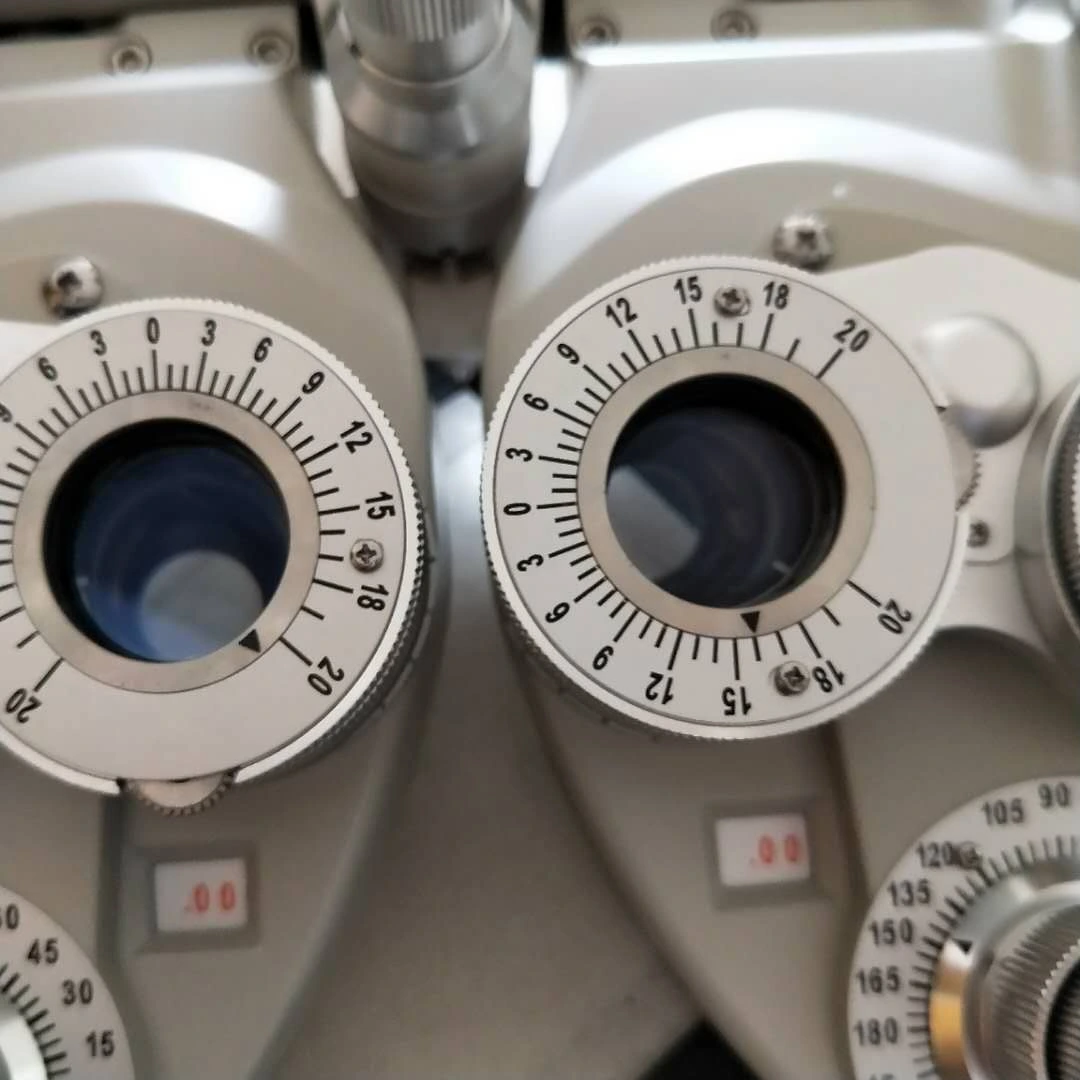
The phoropter (or refractor) is the iconic instrument patients sit behind while the clinician flips lenses asking “which is better, one or two?” It measures subjective refractive error to determine the final eyeglass prescription.
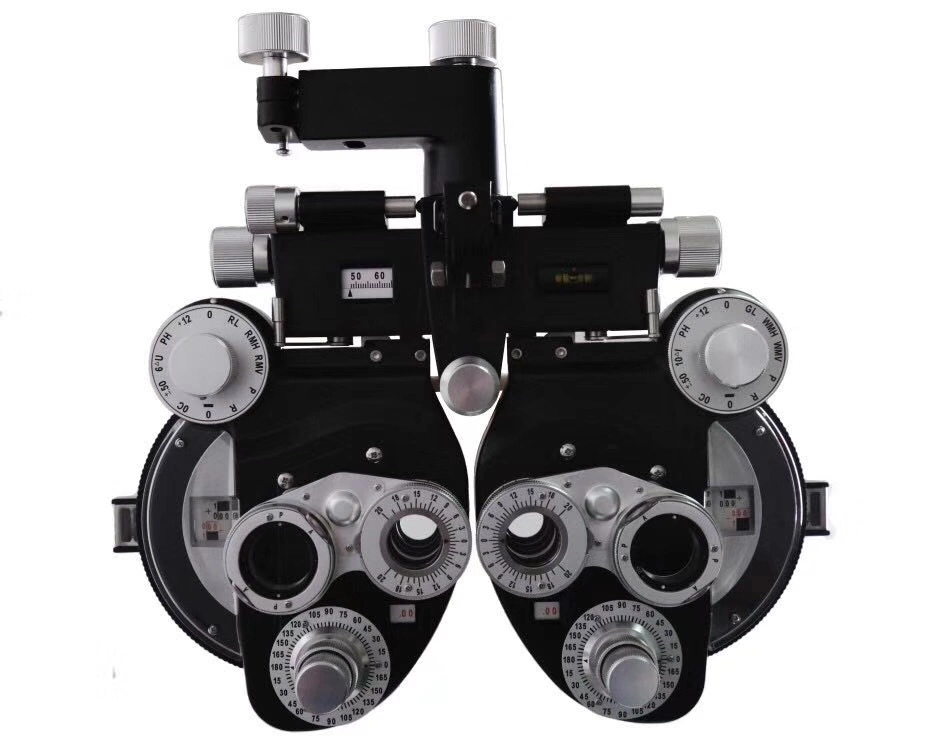
Manual phoropters remain common in budget-conscious practices, but digital phoropters like the Reichert Phoroptor and Topcon CV-5000 have become the standard in mid-to-high-end clinics. They store patient data, integrate with EHR systems, and reduce operator fatigue.
- Price range: $1,500 (manual) to $25,000+ (digital)
- Best for: Every practice—you cannot perform a complete eye exam without one
Explore BVT’s phoropter collection for both manual and digital options.
2.2 Auto Refractor — Objective Refraction
An auto refractor (or autorefractor) measures refractive error objectively by projecting infrared light into the eye and analyzing the reflection. It provides a starting point for subjective refraction and is invaluable for non-verbal patients, children, and screening.
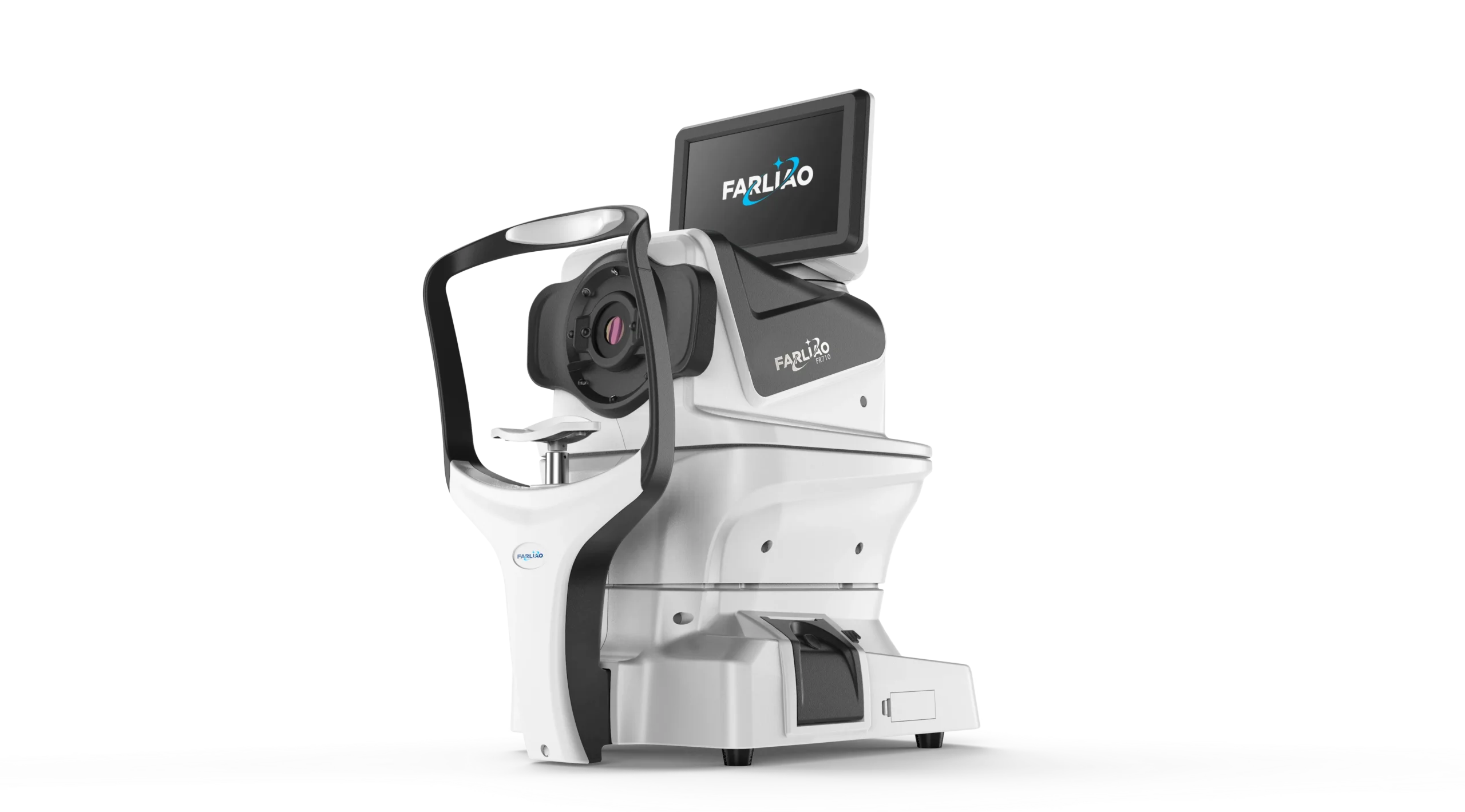
Modern auto refractors often combine keratometry (corneal curvature measurement) in a single unit—known as an auto refractokeratometer.
- Price range: $3,000 to $15,000
- Best for: High-volume practices, pediatric optometry, pre-screening
See BVT’s auto refractometer selection for clinical-grade options.
2.3 Slit Lamp — Anterior Segment Examination
The slit lamp (biomicroscope) is the workhorse of any ophthalmic practice. It provides a magnified, stereoscopic view of the eye’s anterior segment—cornea, iris, lens, and conjunctiva—essential for detecting cataracts, corneal abrasions, and other pathology.
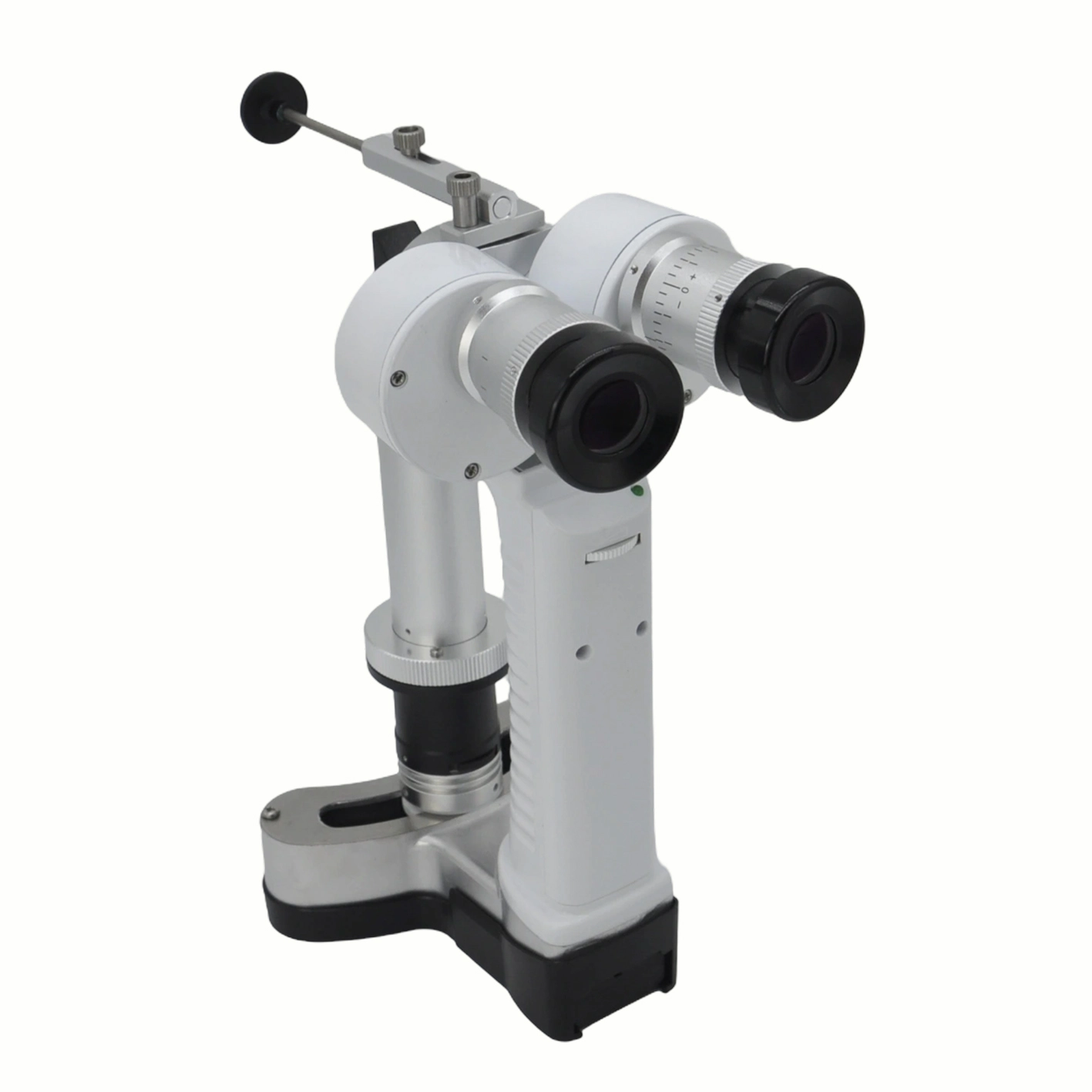
Traditional table-mounted slit lamps deliver the highest optical quality, while portable slit lamps are indispensable for nursing home visits, pediatric exams, and field work.
- Price range: $1,500 (portable) to $10,000+ (high-end table)
- Best for: Every ophthalmic practice
Browse BVT’s portable slit lamp options for mobile examination needs.
2.4 Tonometer — Intraocular Pressure Measurement
A tonometer measures intraocular pressure (IOP), the single most important screening metric for glaucoma—the world’s second-leading cause of blindness.
Three types dominate the market:
- Goldmann applanation (gold standard, mounted to slit lamp): $1,000–$3,000
- Handheld / portable electronic (iCare, Reichert PT100): $1,500–$5,000
- Non-contact / air-puff (NCT, integrated in many auto refractors): included or $3,000–$8,000 standalone
Most practices use at least two: a non-contact for screening and an applanation for confirmation.
2.5 Ophthalmoscope & Fundus Camera — Retinal Examination
An ophthalmoscope is the traditional handheld instrument for viewing the retina through an undilated pupil. A fundus camera captures high-resolution, wide-field retinal images that can be stored, compared over time, and shared with specialists.
With the rise of telemedicine and diabetic retinopathy screening programs, fundus cameras have become a revenue-generating asset for many primary eye care practices.
- Direct ophthalmoscope: $200–$800
- Fundus camera: $8,000–$30,000 (color, non-mydriatic)
2.6 Auto Lensmeter — Lens Verification
An auto lensmeter reads the prescription of an existing pair of glasses or uncuts, automating what was once a manual, error-prone process. It is essential for verifying incoming lab orders, duplicating patient lenses, and quality control.
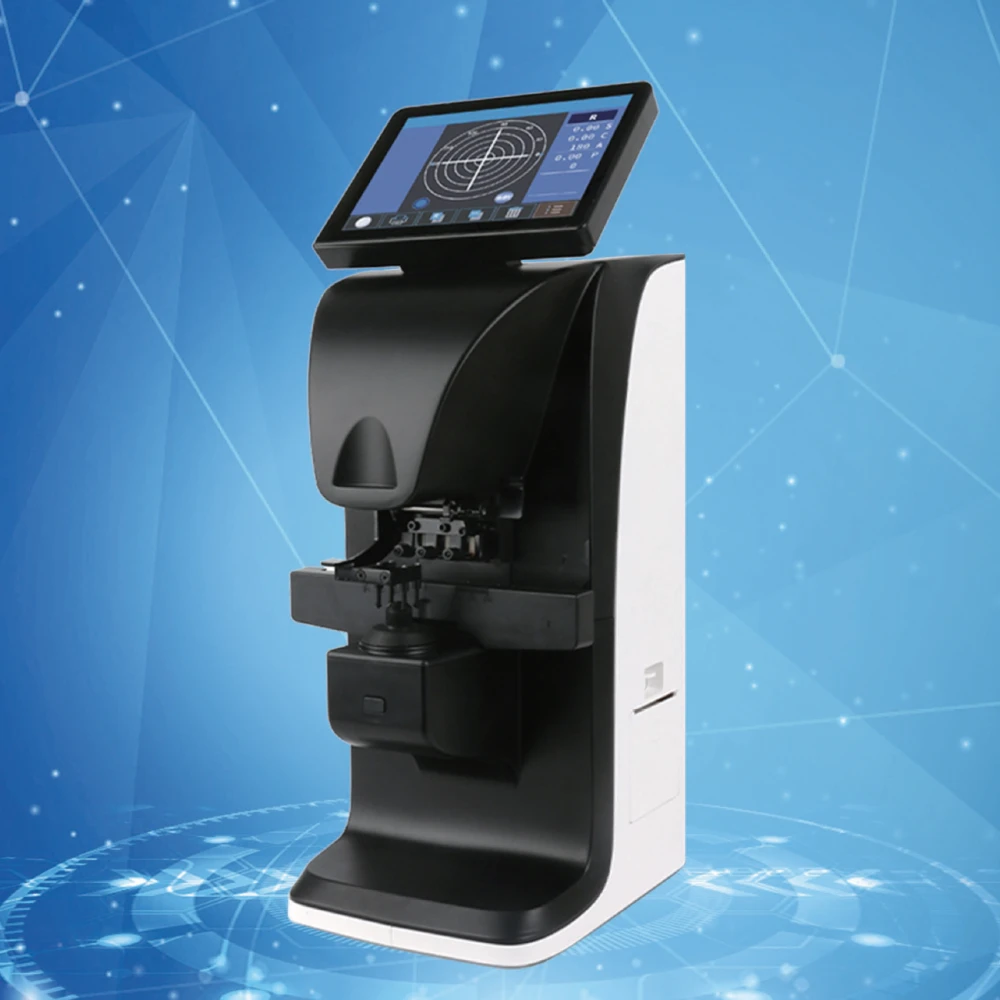
- Price range: $1,500 (manual lensmeter) to $5,000+ (auto)
- Best for: Optical dispensaries, practices with on-site edging
BVT offers auto lensmeter options suited for high-volume dispensaries.
2.7 Visual Field Analyzer — Perimetry
A visual field analyzer (perimeter) maps the full field of vision, detecting blind spots (scotomas) caused by glaucoma, neurological disorders, and stroke. The Humphrey Field Analyzer remains the category benchmark.
- Price range: $4,000 (basic screening) to $15,000+ (full threshold)
- Best for: Glaucoma practices, neuro-ophthalmology
2.8 OCT — Optical Coherence Tomography
OCT is the single biggest technological leap in ophthalmic diagnostics in the past two decades. It uses light waves to create cross-sectional images of the retina and optic nerve head, enabling early detection of macular degeneration, glaucoma, and diabetic macular edema—often before symptoms appear.
Once limited to research hospitals, OCT is now standard in any retina-focused practice and increasingly common in comprehensive ophthalmology.
- Price range: $30,000 to $80,000+ (top brands: Zeiss Cirrus, Topcon Maestro, Optovue Avanti)
- Best for: Retina specialists, comprehensive practices aiming for premium positioning
2.9 Visual Acuity Chart
The humble Snellen chart (and its digital descendants) measures central visual acuity—the most basic and most frequently administered eye exam test. Digital LCD acuity systems with contrast sensitivity testing are now affordable enough to be standard.
- Price range: $50 (wall chart) to $2,500 (digital LCD system)
- Best for: Every practice, mandatory minimum
2.10 Trial Frame & Trial Lens Set
The trial frame holds trial lenses in front of the patient’s eyes for subjective refraction outside the phoropter—essential for low-vision patients, complex prescriptions, and contact lens fitting. A complete trial lens set includes spherical, cylindrical, and prism lenses in a wooden or plastic case.
- Price range: $50 (basic frame) to $1,000 (premium set with prism and accessories)
- Best for: Every practice as a phoropter backup and low-vision specialty work
3. Eye Exam Room Setup: How Equipment Works Together
A well-designed exam room follows a logical workflow. Here is the typical sequence for a comprehensive adult eye exam:
- Pre-test (5–10 min): Visual acuity chart → auto refractor (with optional non-contact tonometer)
- History & symptoms: Technician or doctor gathers chief complaint and medical history
- Refraction (5–10 min): Phoropter (or trial frame) for subjective refraction
- Anterior segment: Slit lamp examination
- Posterior segment: Direct ophthalmoscope or fundus camera; dilate if indicated
- Specialty testing: OCT, visual field, or pachymetry as indicated
- Diagnosis & prescription: Doctor reviews all findings, writes Rx, schedules follow-up
Room layout matters: most modern exam rooms are 9×10 feet minimum, with the slit lamp and phoropter positioned to allow the doctor to swivel between instruments without standing. For full setup guidance, see BVT’s ophthalmic equipment overview.
4. Eye Exam Equipment Cost: Budget Planning for Clinics
Equipment budgets vary enormously based on practice type and tier. Here is a practical breakdown:
| Tier | Target Practice | Typical Investment | Key Equipment |
|---|---|---|---|
| Entry | Startup / part-time practice | $15,000 – $30,000 | Manual phoropter, basic slit lamp, auto refractor, trial set, ophthalmoscope |
| Mid-range | Established general practice | $40,000 – $80,000 | Digital phoropter, table slit lamp, auto lensmeter, fundus camera, NCT |
| Premium | Comprehensive / surgical practice | $100,000 – $250,000+ | Full digital refraction, OCT, Humphrey visual field, top-brand slit lamp |
A useful rule of thumb: budget 15–20% above sticker price for installation, training, calibration tools, and the first year of consumables. For deeper budget guidance, see BVT’s complete ophthalmic instruments catalog.
5. New vs Refurbished Eye Exam Equipment
Refurbished ophthalmic equipment offers 30–60% cost savings versus new, but not all “refurbished” programs are equal. Ask suppliers these five questions before purchase:
- Who refurbished it? OEM-certified (Topcon, Zeiss) is gold; third-party is acceptable if the seller is reputable.
- What was replaced? Optics, electronics, motors—make sure wear parts are new.
- What is the warranty? Minimum 6 months parts and labor; 12 months preferred.
- Is service available locally? A cheap OCT with no local tech is a liability.
- Can I see demo data or speak to a reference? Reputable refurbishers will provide both.
Refurbished is ideal for auto refractors, lensmeters, and manual phoropters, where the technology is mature. For OCT and the latest digital phoropters, new is generally worth the premium if budget allows.
6. Top Eye Exam Equipment Brands in 2026
The global ophthalmic equipment market is dominated by a handful of brands, with strong regional contenders offering competitive value:
- Premium tier: Zeiss, Topcon, Haag-Streit, Heidelberg Engineering
- Mid-market: Reichert, Nidek, Tomey, Shin-Nippon
- Value tier: BVT (Bright Vision Tech), Marco, Rexxam, and selected Chinese OEMs
When evaluating brand choice, weigh optical quality, software ecosystem (especially EHR integration), local service availability, and warranty terms—not just price. The cheapest instrument that sits broken for three weeks is the most expensive one you can buy.
7. How to Choose Equipment for Different Practice Types
Solo / small optometry practice (1–2 exam rooms): Prioritize versatile, compact instruments. A combined auto refractor/keratometer/non-contact tonometer saves space and capital. Manual phoropter is acceptable; budget more for a quality slit lamp.
Multi-doctor clinic (3–6 exam rooms): Invest in digital phoropters for throughput, a fundus camera for diabetic screening revenue, and consider a shared OCT.
Hospital ophthalmology department: Top-tier Zeiss or Topcon throughout; OCT and visual field analyzer are mandatory; have backup instruments for high-volume days.
University / teaching clinic: Durable instruments across brands so students train on the diversity they will encounter in practice; emphasize service contracts.
Mobile / nursing home practice: Portable slit lamp, handheld tonometer (iCare-style), portable auto refractor, trial frame set. Total investment under $15,000.
8. Eye Exam Equipment Maintenance & Calibration Schedule
Even the best instruments drift. A simple maintenance calendar prevents both clinical errors and costly repairs:
- Daily: Clean slit lamp optics and chin rests with lens tissue; verify acuity chart bulb brightness
- Weekly: Inspect phoropter wheel rotation; check tonometer calibration with verifier
- Monthly: Run auto refractor self-test; clean fundus camera sensor
- Quarterly: Comprehensive cleaning; inspect cables and power supplies
- Annually: Professional calibration by OEM-authorized technician; recalibrate lensmeter against reference lenses
Most practices find a preventive maintenance contract (1–2 visits per year) pays for itself within 18 months by catching issues before they become emergencies.
9. Frequently Asked Questions
Q1. What does an autorefractor measure?
An autorefractor measures the refractive error of the eye objectively—quantifying myopia, hyperopia, and astigmatism by analyzing how infrared light reflects off the retina. It provides a reliable starting point for subjective refraction and is especially useful for children and non-communicative patients.
Q2. How much does a phoropter cost?
Manual phoropters typically cost $1,500–$4,000, while digital phoropters range from $8,000 to $25,000+ depending on features and brand. Top-tier models with EHR integration and advanced cylinder axis control sit at the upper end.
Q3. Is a slit lamp necessary for routine eye exams?
Yes. A slit lamp is considered standard of care for any comprehensive adult eye exam. It is the only instrument that provides the magnified stereoscopic view needed to detect cataracts, corneal pathology, and anterior segment inflammation.
Q4. What’s the difference between an ophthalmoscope and a fundus camera?
An ophthalmoscope is a handheld instrument that provides a real-time, narrower view of the retina through an undilated pupil. A fundus camera captures high-resolution, wide-field retinal images that can be stored, compared over time, and shared—essential for telemedicine and diabetic screening.
Q5. How often should eye exam equipment be calibrated?
Critical instruments—tonometers, auto refractors, lensmeters—should be verified monthly and professionally calibrated annually. OCT and visual field analyzers typically require annual OEM service.
Q6. Can auto refractometers replace phoropters?
No. An auto refractor provides an objective starting point, but the final prescription must always be refined subjectively through a phoropter or trial frame. They are complementary, not interchangeable.
Q7. What equipment is needed for a complete eye exam?
At minimum: visual acuity chart, auto refractor, phoropter (or trial frame), slit lamp, ophthalmoscope, and tonometer. Comprehensive medical eye exams add a fundus camera and OCT.
Q8. Are refurbished eye exam machines reliable?
Yes—if purchased from a reputable OEM-certified refurbisher with a warranty of at least 6 months. Refurbished auto refractors, lensmeters, and slit lamps typically deliver 5–10 years of service when properly maintained.
10. Conclusion: Building Your Eye Exam Equipment Strategy
Building or upgrading an eye exam equipment suite is a multi-year capital strategy, not a one-time purchase. The right approach is to start with a tiered plan: get the essentials in place, validate demand, then add specialty instruments like OCT and fundus cameras as your practice grows.
Key takeaways:
- Match your equipment tier to your practice type—don’t overspend on features you won’t use
- Budget 15–20% above sticker for installation, training, and first-year consumables
- Prioritize service contracts and local support; uptime matters more than brand prestige
- Consider refurbished for mature technologies; buy new for cutting-edge instruments
Need help designing your exam room or sourcing the right instruments? Contact Bright Vision Tech for a free consultation, or message us on WhatsApp at +86 18806713799 for instant product recommendations and quotes. We supply B2B customers across the US, India, Brazil, and Mexico with both new and refurbished ophthalmic equipment, backed by warranty and local service partnerships.
Last updated: June 2026. Bright Vision Tech is a B2B supplier of ophthalmic and optical equipment serving distributors, hospitals, and clinic networks.